Discover the Cozy Charm of Teddy Nibble
In a digital landscape saturated with sharp edges and minimalist sans-serifs, the Teddy Nibble display font emerges as a breath of fresh, nostalgic air. It is an irresistibly cute typeface that perfectly captures the cozy, soft aesthetic of plush toys and the vibrant, whimsical design trends of the 1970s. For graphic designers and brand strategists seeking to inject personality, warmth, and a tactile quality into their work, Teddy Nibble offers a unique solution that is both bold and endearing.
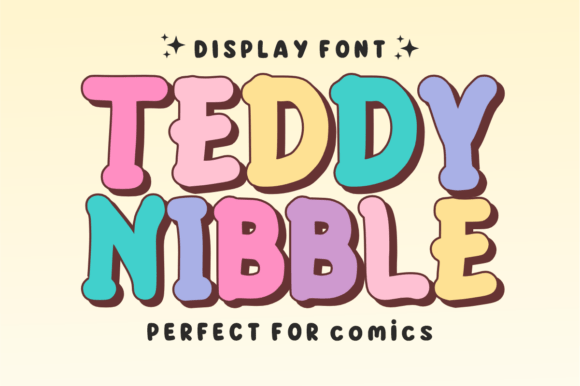
At its core, Teddy Nibble is defined by its chunky, rounded, and slightly uneven letterforms. This design choice mimics a squishy, hand-molded appearance that feels incredibly approachable. The letters are heavy and bubble-like, ensuring maximum visual impact when used at large sizes. Unlike rigid geometric fonts, the subtle imperfections in its structure give it a human touch, making it an ideal choice for projects that aim to connect on an emotional level. When paired with a vibrant, pastel color palette and a subtle brown offset or shadow, the font gains depth and a palpable sweetness that is hard to ignore.
Practical Applications in Modern Design
The versatility of Teddy Nibble extends across various creative projects, particularly where a friendly and exaggerated softness is required. Its strong, bold presence combined with a whimsical charm makes it a valuable asset in a designer's toolkit. Here are some key areas where this typeface excels:
- Children's Book Titles and Editorial Design: The playful, rounded nature of the font captures the imagination of young readers, making story titles and chapter headings inviting and fun.
- Toy Branding and Packaging Design: For companies in the toy industry, Teddy Nibble aligns perfectly with the tactile experience of the product, reinforcing brand identity through typography that feels like part of the toy itself.
- Bakery Logos and Food Packaging: The "nibble" aesthetic suggests deliciousness. It works wonderfully for bakery branding, sweet shops, and snack packaging, communicating homemade goodness.
- Playful Apparel and Merchandise: From t-shirts to tote bags, the font translates well to physical merchandise, offering a retro-cool vibe that appeals to modern aesthetics.
- Retro Comic Speech Bubbles: For digital illustrations or web design elements, it adds a vintage comic book flair that is both readable and stylistic.
Integrating Teddy Nibble into Your Workflow
While a display font like Teddy Nibble is a powerful creative asset, successful implementation requires strategic thinking. Typography plays a critical role in visual hierarchy and user experience (UX). Because Teddy Nibble is a heavy, bold face, it is best reserved for headlines, subheadings, or accent text. Using it for body copy in long-form articles could hinder readability; therefore, pairing it with a clean, legible sans-serif or serif font for body text is a best practice.
When evaluating how to use this font for branding or digital marketing, consider the following tips:
- Color Palette Synergy: Soft pastels, warm earth tones, and vibrant primary colors complement the font's 70s-inspired roots. Avoid overly corporate or stark color schemes that might clash with its friendly nature.
- Scalability: Ensure the font remains legible at the intended size. Its chunky design scales well for large-format printing and web headers, but test it thoroughly for smaller digital UI elements.
- Brand Alignment: Use Teddy Nibble to target audiences that value playfulness, creativity, and nostalgia. It is less suited for serious corporate communications but perfect for lifestyle, food, entertainment, and children's sectors.
Elevating Visual Communication
In the realm of graphic design, the choice of typography is a fundamental component of visual communication. A font does not merely display text; it conveys tone, emotion, and context. By incorporating a typeface like Teddy Nibble, designers can instantly transform a standard layout into a memorable visual identity. It helps break the monotony of generic design trends, offering a distinct voice that can differentiate a brand in crowded markets like social media graphics or advertising campaigns.
Ultimately, the value of a high-quality creative asset lies in its ability to solve problems and enhance aesthetics. Whether you are designing a presentation, launching a new product line, or refreshing a website, thoughtful font selection is key. Teddy Nibble demonstrates how typography can bridge the gap between visual appeal and functional communication, proving that a soft, squishy aesthetic can carry a strong, professional message.